
Weekly Blog #25
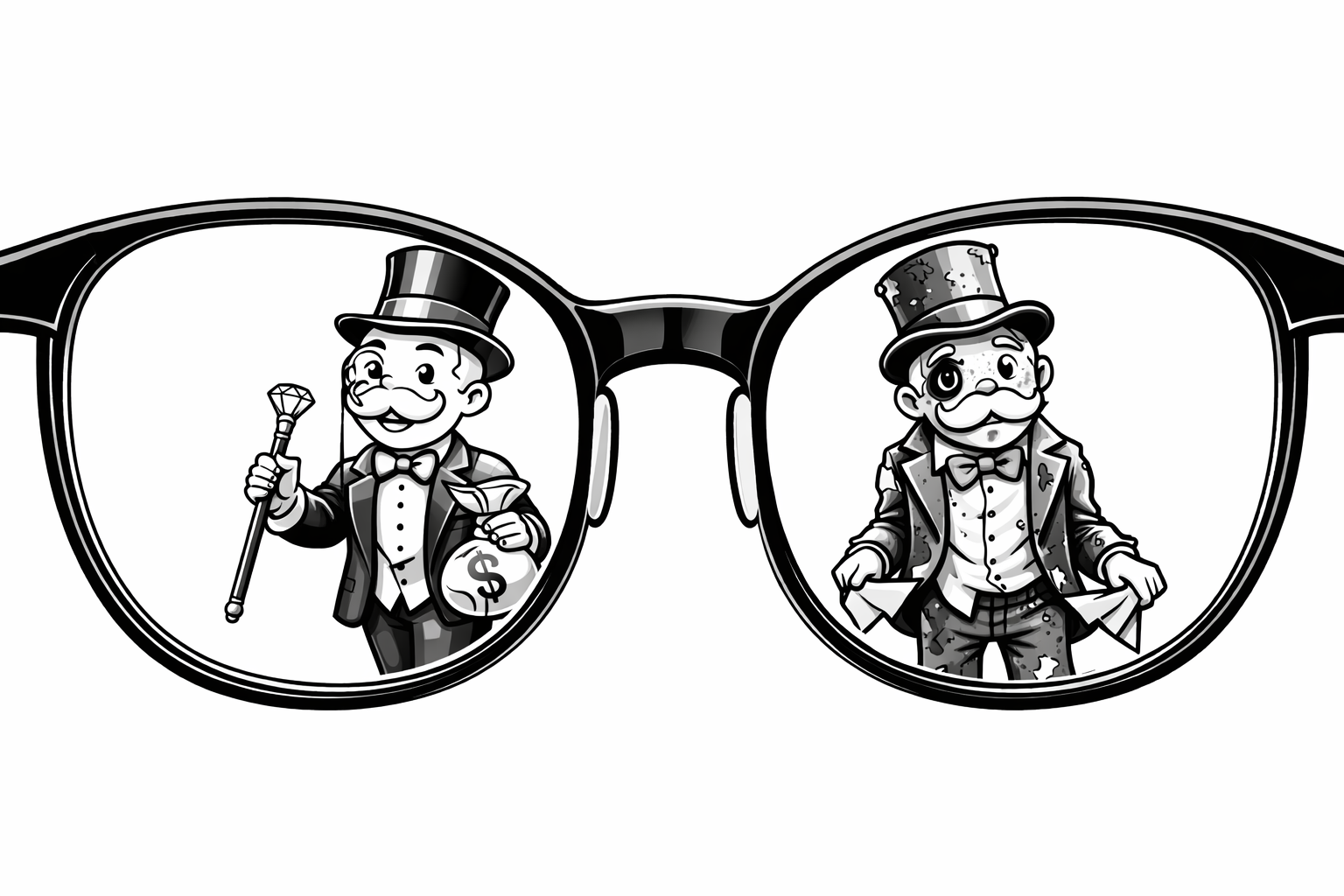
“Perception is reality.”
If you’ve felt whiplash reading the headlines this past year, you’re not crazy. On paper, “the economy” did just fine: output grew, inflation cooled from prior highs, and unemployment stayed low by historic standards. Yet plenty of households still feel squeezed, frustrated, or just plain uncertain. Both can be true at the same time—because “the economy” is an aggregate… while “your economy” is personal.
That gap between objective numbers and subjective experience isn’t a footnote—it’s the story. Real GDP grew about 2.2% in 2025. That’s not a boom, but it’s also not a recession. It’s the kind of growth rate that sounds “fine” in the abstract. But “abstract” is the key word. GDP can rise while affordability feels worse because GDP doesn’t ask who benefited, whether your essentials got more expensive than the “average basket,” or whether your wage gains actually outran your cost of living.
Which brings us to the relationship that matters most to households: wages versus inflation. If wages rise faster than inflation, purchasing power improves. If inflation rises faster than wages, you feel poorer—even if you got a raise. That’s the difference between “numbers are improving” and “life is improving.”
Broad inflation ran around 2.6% in 2025. Real wages (nominal wages minus inflation) were up about 1.1% this past year. On average, purchasing power improved modestly.
And there’s that phrase again: on average. Most people don’t buy the average basket. They buy housing, insurance, groceries, utilities, and childcare. If your big-ticket items rose faster than the official basket, it doesn’t matter that inflation is cooling in a statistical sense—you still feel it every month. That’s why two people can look at the same chart and come to completely different conclusions about the economy. One sees stabilization. The other sees a cost structure that ratcheted up and never came back down.
The labor market told a similar story of mixed signals. Job growth was light—roughly 181,000 for the year, or about 15,000 per month on average—yet unemployment sat around 4.3%, which is low by historical standards. That combination confuses people because we’re used to thinking “strong job market” means “big job gains.” But that’s not the only way to keep unemployment low.
If labor-force growth slows, job growth can slow too—without a surge in unemployment. And in a year where net immigration appears to have collapsed to near zero, slower job growth isn’t surprising. Fewer new workers entering the labor pool means fewer new jobs required to keep the unemployment rate stable. That’s not political; it’s arithmetic.
Then there’s the wealth effect, which is where the “two economies” really show up. Household net worth rose meaningfully in 2025, largely driven by gains in asset prices—stocks in particular. If you own assets, your balance sheet can look better even while your monthly expenses feel worse. If you don’t own many assets, headlines about household wealth can feel like they’re describing someone else’s household.
That’s why this blog begins with the quote, “Perception is reality.” Not because perceptions are always accurate, but because they’re powerful. When consumers feel pessimistic, they delay purchases. When businesses feel uncertain, they pause hiring and investment. Confidence surveys capture the psychology that drives very real spending and hiring decisions. If a large enough portion of the country believes the economy is getting worse, that belief can become a self-fulfilling slowdown—even when the official data remains positive.
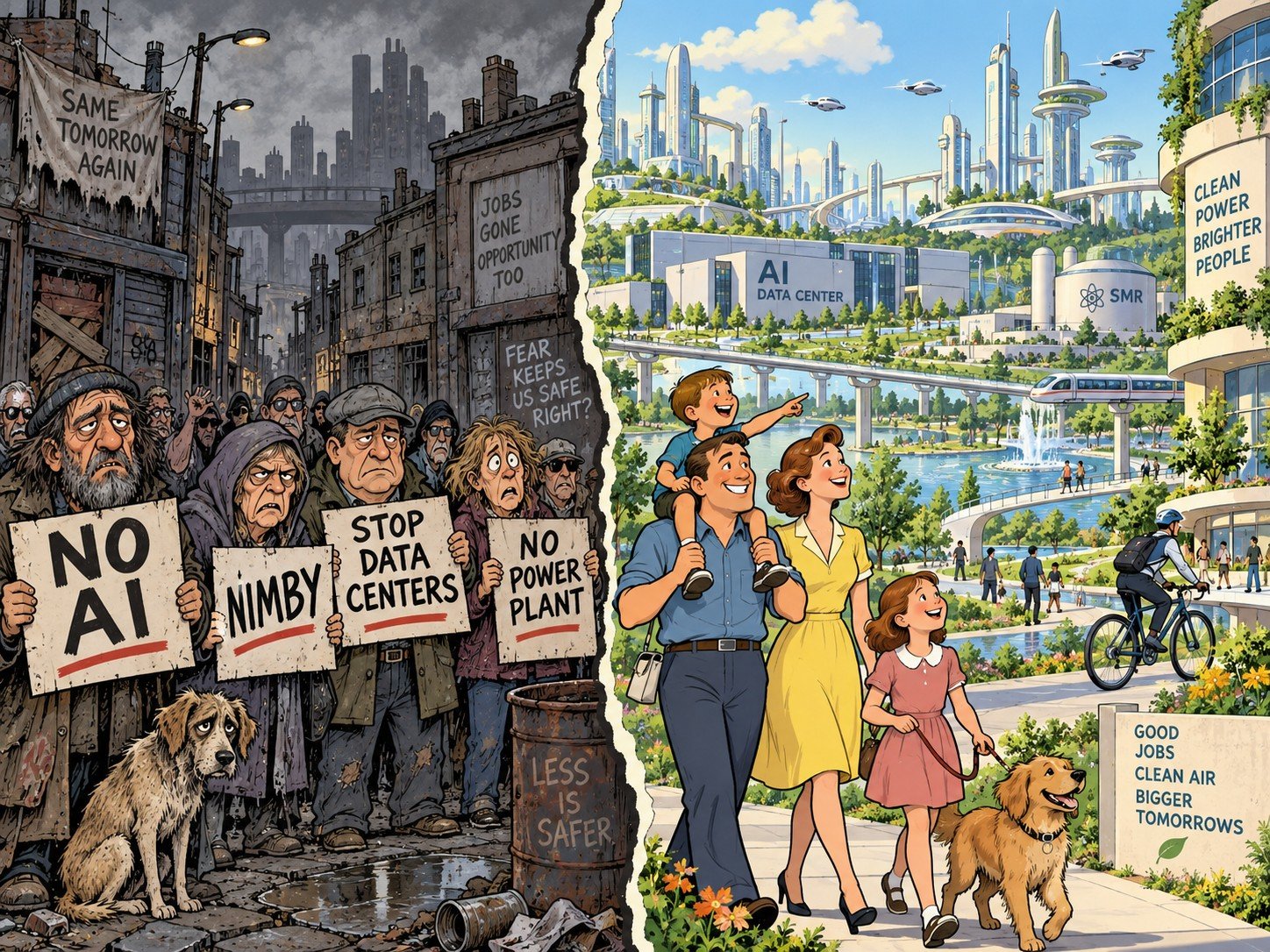
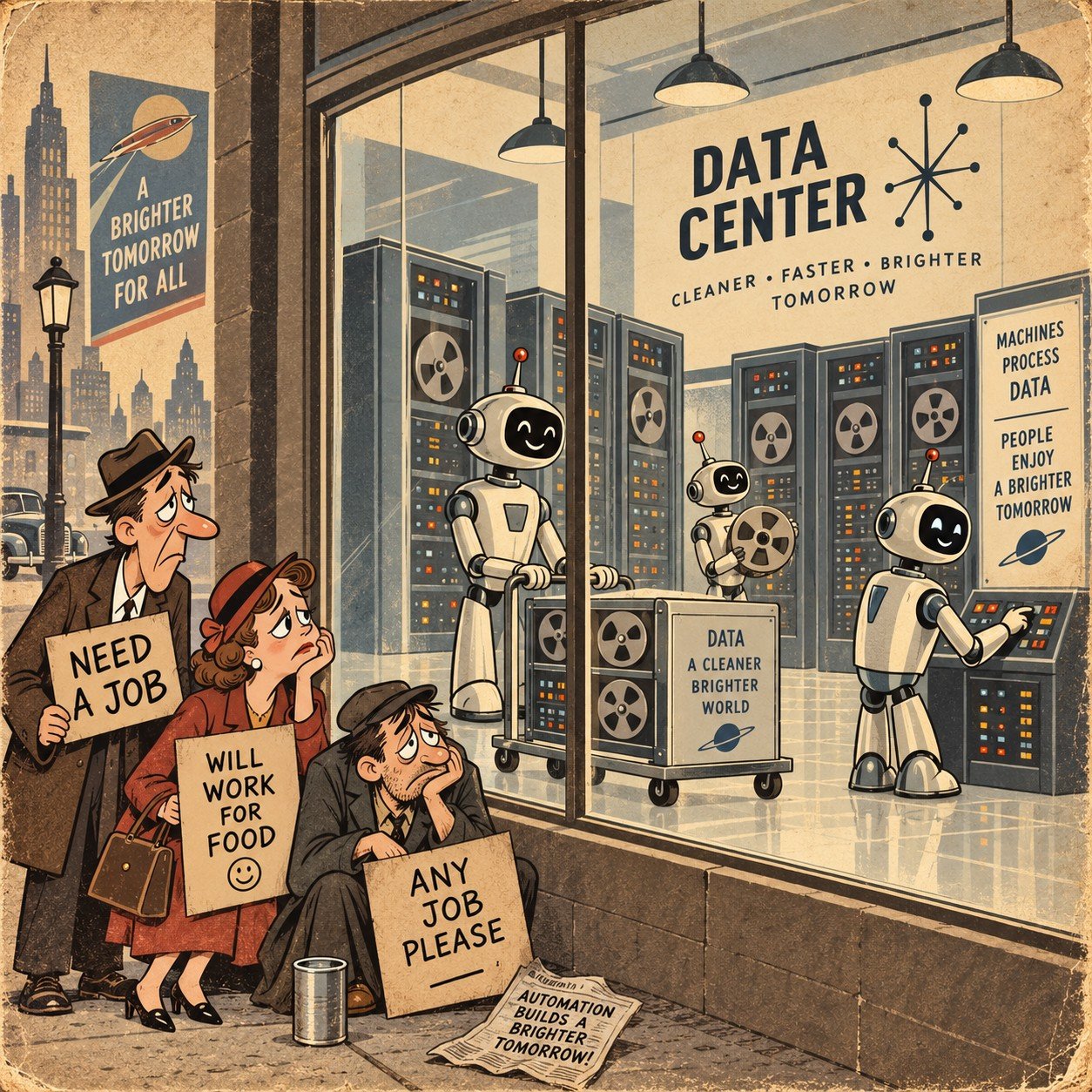
So where does that leave us going forward? This is where the conversation about AI stops being theoretical and starts being personal. AI is going to be disruptive to the job market. That’s not a hot take—it’s reality. The open question is how quickly, and which categories feel it first.
But disruption isn’t the whole story. There will be job losses, yes. There will also be unbelievable opportunities for the people and businesses that get ahead of the curve and use AI to increase productivity, output, and value. AI doesn’t just change who gets paid; it changes what gets produced, how fast it gets produced, and what becomes possible.
Elon Musk posted on X that U.S. GDP will grow by “double digits” within the next 12 to 18 months. If he’s even remotely close, that would be huge. And it would almost certainly come with churn: displacement on one side, explosive productivity and new business formation on the other. That’s what technological leaps do. They don’t distribute gains evenly—and they don’t ask permission.
The practical takeaway is this: AI won’t eliminate ambition. It’ll reward output. The people who learn to use better tools—faster, smarter, more efficiently—will create an edge, and that edge will compound. In periods like this, the winners aren’t the loudest voices or the strongest opinions. They’re the people who adjust their skillset, adapt their workflows, and position themselves on the side of productivity rather than the side of denial.
For those who plan, prepare, and execute, their results—and their reality—will improve faster than they believed possible.
Mark Lazar, MBA
CERTIFIED FINANCIAL PLANNER™